Comprehending Tar and Crushed Rock Roof Covering: The Perks and Considerations
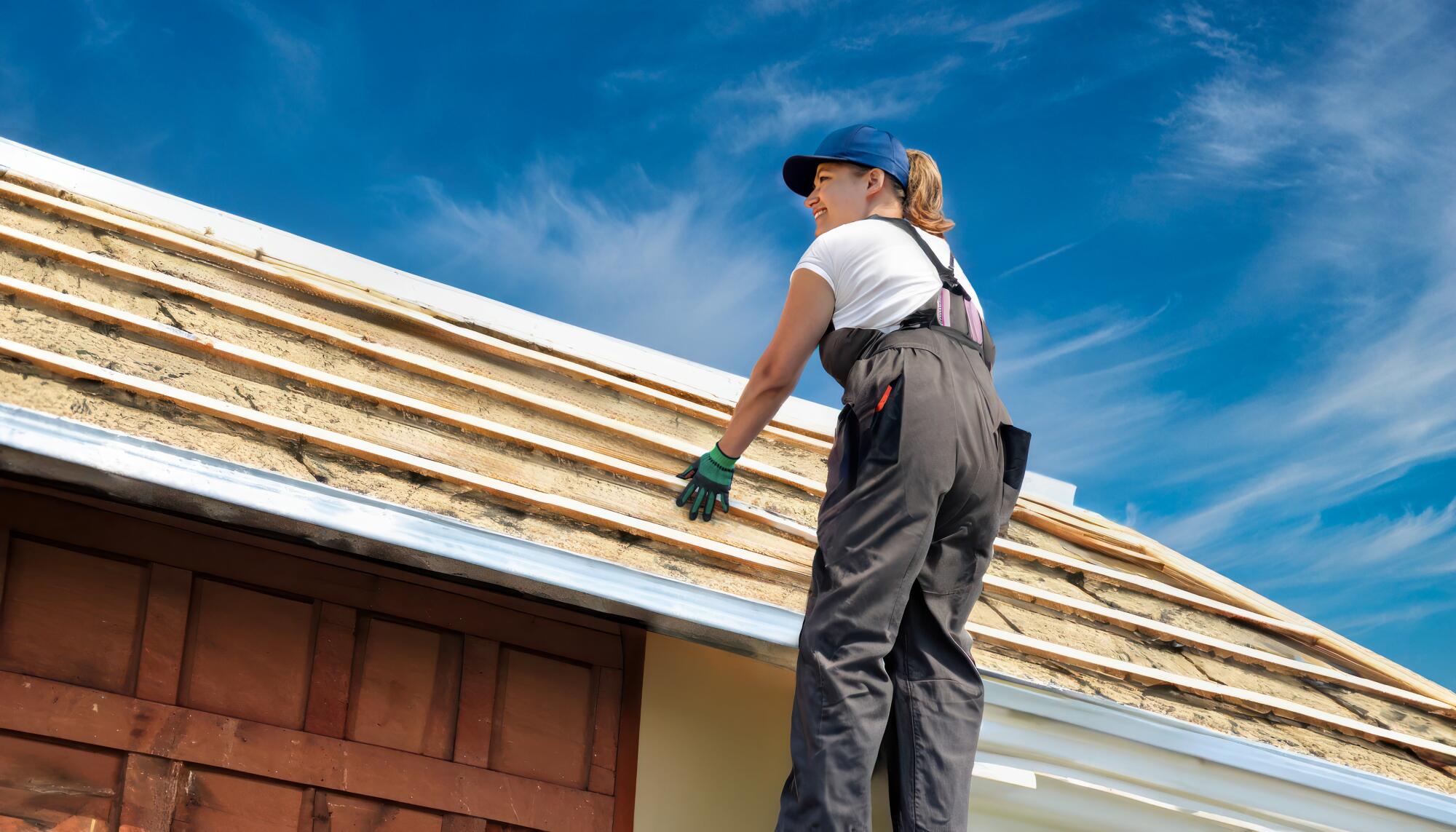
Tar and crushed rock roofing is a popular option for business structures and flat roofs as a result of its durability and cost-effectiveness. This kind of roofing system consists of layers of tar and gravel, giving superb waterproofing and protection versus different weather. In this write-up, we'll discover the benefits and downsides of tar and gravel roof, aiding you make an informed choice for your roofing requires.
Among the most substantial benefits of best built up tar gravel roof is its longevity. With proper setup and maintenance, this roofing system can last two decades or even more. The layers of tar create a strong and water-resistant obstacle, while the gravel successfully secures the tar from UV rays, physical damages, and various other environmental influences. This combination makes tar and crushed rock roofing systems a trusted option for commercial building owners wanting to decrease long-lasting repair service prices.
Furthermore, tar and gravel roofing is relatively easy to install. The procedure generally includes using numerous layers of warm tar and then covering it with crushed rock or crushed stone. This technique can be extra effective contrasted to other roof covering materials, rubber or single-ply membranes, especially in huge installments. Additionally, the weight of the gravel includes stability to the roofing system, which minimizes the chance of damages from high winds or storms.
Nevertheless, it is necessary to take into consideration the drawbacks of tar and crushed rock roof covering as well. One problem is that the setup process can be labor-intensive and may require proficient experts to prevent typical issues such as merging water or leakages. Furthermore, the surface area can be at risk to damage from heavy foot web traffic, which calls for building proprietors to be careful concerning repair and maintenance activities. In addition, tar has a strong odor during setup, which can be a negative aspect in specific scenarios.
Finally, built up tar gravel roof presents a trustworthy and financially viable alternative for level roofings in industrial structures. Evaluating the benefits of long life and convenience of installation against the potential drawbacks of upkeep and odor during installment is essential for building proprietors. By recognizing the pros and cons, you can make a more educated choice for your roof remedy, guaranteeing that your financial investment holds up against the examination of time while sufficiently shielding your residential or commercial property. Here is an alternative post that provides more information related to this topic: https://en.wikipedia.org/wiki/Roofer.